How to automatically forward emails: A complete guide
Learn how to set up mail auto-forwarding in Gmail, Outlook, Apple Mail, Yahoo, and AOL. Consolidate multiple inboxes and boost your email productivity with our step-by-step guide.

Managing multiple email accounts is now the norm for most professionals. The average user manages nearly two email accounts, juggling personal inboxes alongside work addresses, side projects, and legacy accounts they cannot quite abandon. With over 376 billion emails sent daily and professionals spending an average of 11 hours per week managing their inboxes, the mental load of switching between accounts adds up fast.
Automatic email forwarding offers a straightforward solution. By routing messages from one inbox to another, you can consolidate your communications, respond faster, and stop missing critical emails buried in the wrong account. This guide walks you through how to set up mail auto-forwarding across every major email provider.
What is mail auto-forward?
Mail auto-forward is a feature built into most email providers that automatically redirects incoming messages from one email address to another. Once configured, every email that arrives in your source inbox gets copied or moved to your destination address without any manual intervention.
Unlike manually forwarding individual emails one at a time, automatic forwarding runs continuously in the background. You set it once, and it handles every incoming message according to your rules. This makes it ideal for consolidating multiple inboxes into a single view, delegating email access during vacations or leave, ensuring team coverage for shared responsibilities, and transitioning from an old email address to a new one.
The feature works differently from email aliases or shared mailboxes. With auto-forwarding, messages arrive at their original destination first, then are copied to the forwarding address. This means you maintain access to both inboxes while centralizing where you actually read and respond to messages.
Why automatically forward emails?
Automatic email forwarding solves several common productivity challenges that professionals face daily.
Consolidate multiple inboxes
Checking three or four email accounts throughout the day fragments your attention. Research shows that employees check email 11 to 36 times per hour, and switching between accounts only compounds this habit. By forwarding secondary accounts to your primary inbox, you create a single location for all incoming messages.
Enable team coverage
If you work as part of a team, automatic forwarding ensures continuity when someone is unavailable. Customer service teams covering an inbox in shifts, for example, can forward messages to whoever is on duty. Time-sensitive communications reach the right person without requiring the original recipient to intervene.
Manage time off seamlessly
When you are taking time off or attending a conference, forwarding your email to a colleague means critical messages still get addressed. You can actually disconnect instead of anxiously checking your phone between sessions.
Prevent missed messages
There is nothing worse than waiting for an important email, only to realize you were checking the wrong inbox after the deadline has passed. With 93% of professionals checking email daily, the stakes for missing messages are high. Auto forwarding eliminates this risk by routing everything to one place.
How can automatically forwarding emails improve productivity?
Whether you maintain multiple inboxes for personal use, work, or both, consolidating your email flow can dramatically improve your productivity.
Employees spend an average of 2.5 hours daily on email, and a significant portion of that time goes toward context-switching between accounts and hunting for messages. By forwarding secondary addresses to a primary inbox, you reduce this overhead and can process all your messages in focused batches.
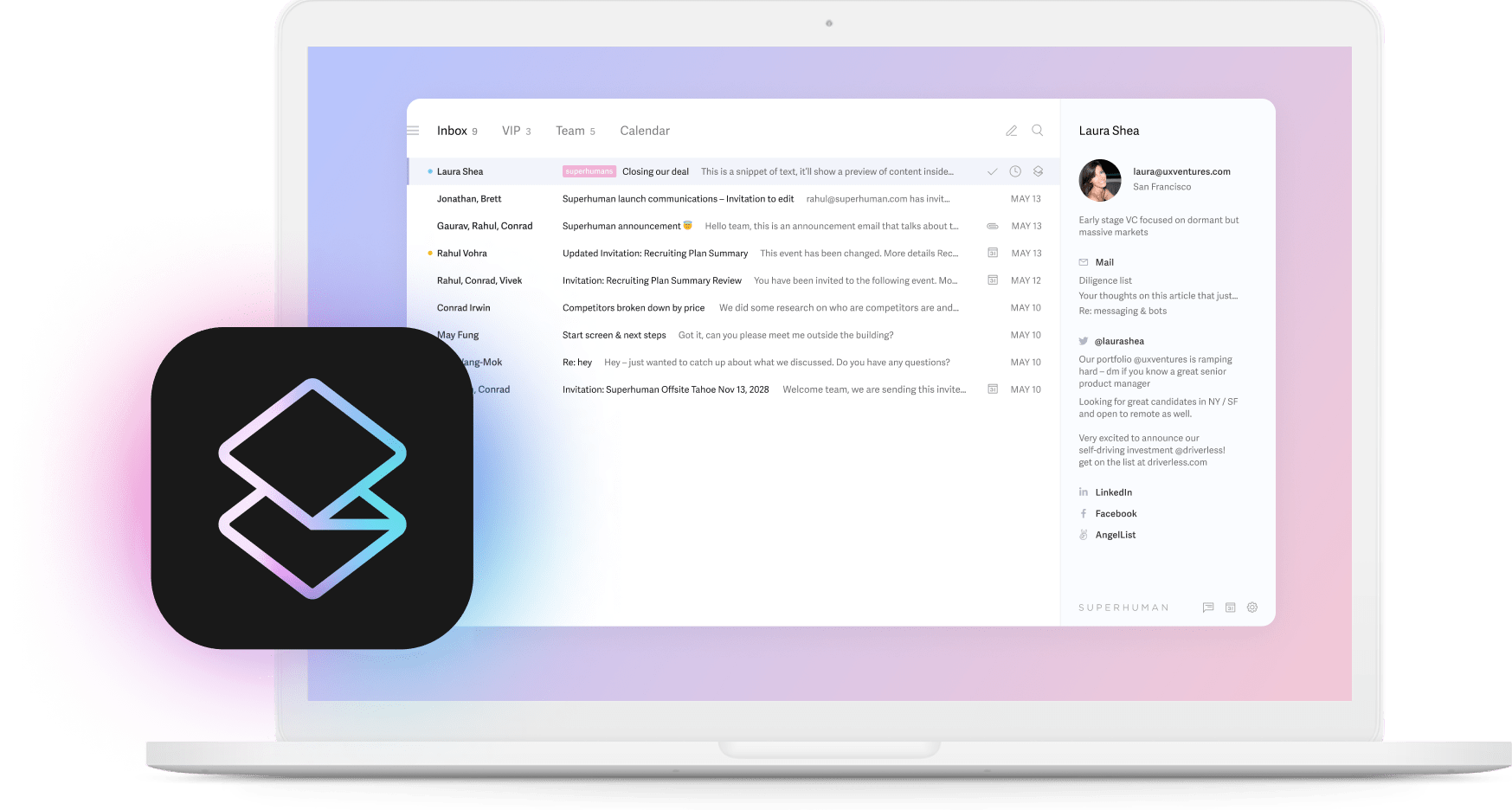
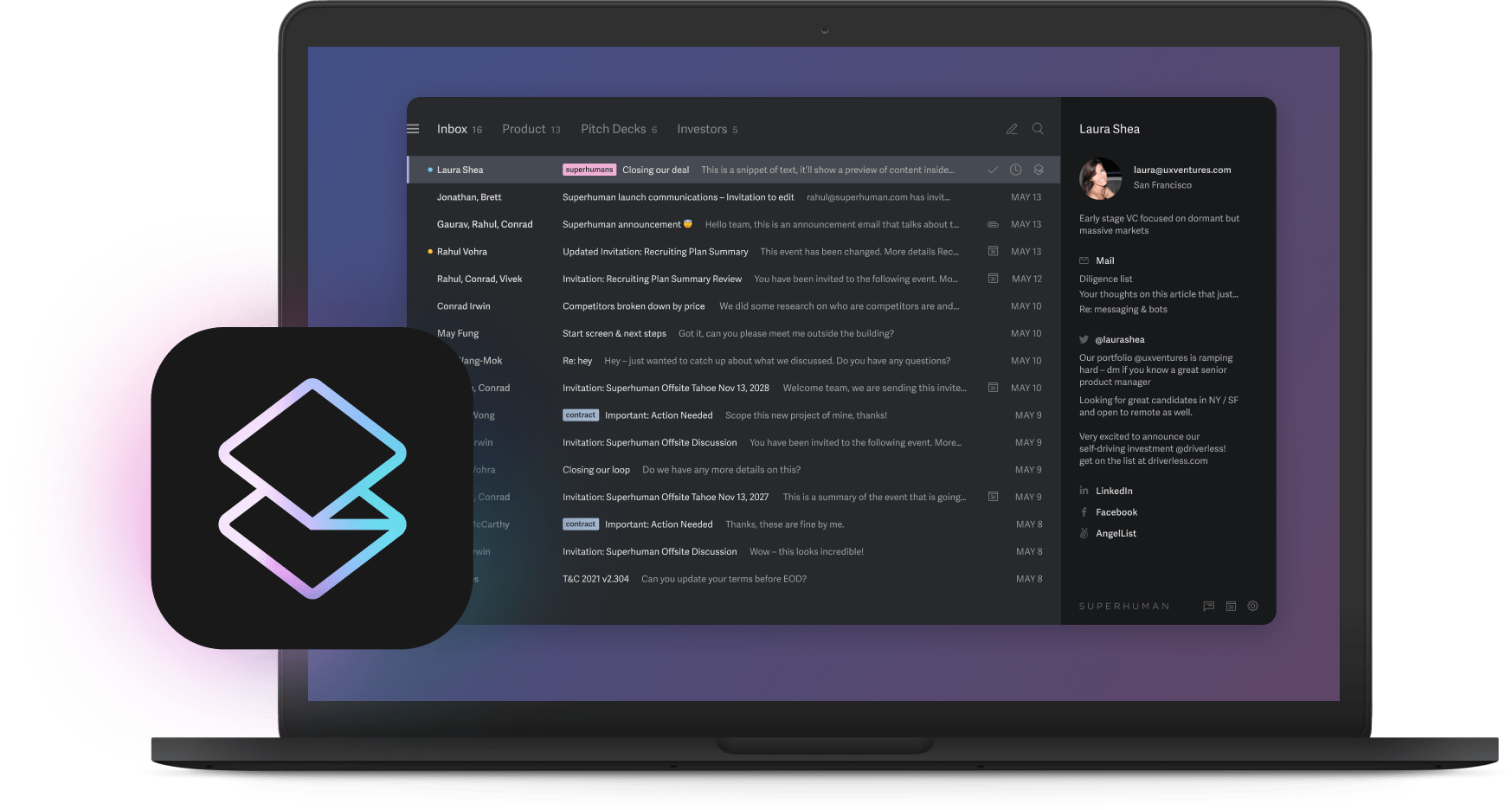
Better still, use Superhuman Mail, which supports multiple Outlook and Gmail accounts in one blazingly fast interface. Rather than relying solely on forwarding, Superhuman Mail lets you manage all your accounts natively, with unified search, AI-powered email assistance, and keyboard shortcuts that help you fly through your inbox twice as fast.
Teams using Superhuman Mail save four hours or more every single week. For high-volume email users managing multiple accounts, this adds up to hundreds of recovered hours annually.
Automatic forwarding in Gmail
Gmail makes setting up automatic forwarding straightforward. Here is how to configure it:
- Sign in to the Gmail account you want to forward emails from.
- Click the gear-shaped settings icon in the upper right corner. Select See All Settings.
- Navigate to the Forwarding and POP/IMAP tab.
- Click Add a forwarding address. Enter the email address where you want to forward your messages.
- Click Proceed, then OK. Gmail will send a confirmation email to the destination address.
- Open the confirmation email and click the verification link.
- Return to your Gmail Forwarding and POP/IMAP settings tab.
- Select Forward a copy of incoming mail to and choose your verified address from the dropdown.
- Decide what happens to forwarded messages in Gmail: keep a copy in the inbox, mark it as read, archive it, or delete it.
- Click Save Changes.
Tip: If you only want to forward certain emails rather than everything, use Gmail filters instead. Go to Settings, then Filters and Blocked Addresses, and create rules based on sender, subject line, or keywords.
Automatic forwarding in Outlook
To automatically forward emails in Outlook.com or Outlook on the web:
- Log in to your Microsoft Outlook account.
- Click the settings gear icon in the top right corner.
- Select View all Outlook settings at the bottom of the quick settings panel.
- Navigate to Mail, then click Forwarding.
- Check the box labeled Enable forwarding.
- Enter the email address where you want forwarded messages delivered.
- Decide whether to keep a copy of forwarded messages in Outlook.
- Click Save.
Note: If you use Microsoft 365 through your workplace, your IT administrator may have disabled email forwarding for security reasons. Contact your IT team if the forwarding option appears grayed out or unavailable.
Automatic forwarding in Apple Mail
To set up automatic forwarding for iCloud Mail (used by Apple Mail):
- Go to iCloud.com and sign in to your account.
- Click on Mail to open your inbox.
- Click the settings gear icon and select Preferences.
- Under the General tab, check the box that says Forward my email to.
- Enter the email address you want to forward messages to.
- Choose whether to keep a copy of forwarded emails in iCloud or delete them after forwarding.
- Click Done to save your changes.
Note: If you need to configure forwarding from your iPhone, you will need to use Safari or another mobile browser to access iCloud.com rather than the native Mail app. The Mail app itself does not include forwarding settings.
Automatic forwarding in Yahoo
Yahoo Mail requires a paid Yahoo Mail Plus subscription to enable automatic forwarding. If you have the premium tier:
- Sign in to your Yahoo account and go to your inbox.
- Click the gear icon in the upper right and select More Settings.
- In the left sidebar, click Mailboxes.
- Select the email address you want to forward from under the Mailbox List.
- Scroll to the Forwarding section.
- Enter the destination email address and click Verify.
- Check your destination inbox for the verification email and follow the confirmation steps.
Once verified, all incoming Yahoo messages will automatically forward to your specified address.
Automatic forwarding in AOL
AOL Mail supports automatic forwarding, though the feature is not available to all users. To check if you have access:
- Log in to your AOL account at mail.aol.com.
- Click the Settings gear icon.
- Select General Settings.
- Look for Forwarding in the menu options.
- If available, choose Forward a copy of incoming mail to and enter your destination address.
- Click Save Changes.
Note: If you do not see the Forwarding option in your settings, your AOL account does not currently have access to this feature. AOL has been gradually rolling out this capability, so check back periodically or consider using a third-party email client that supports AOL accounts.
5 tips for managing forwarded emails effectively
Setting up auto forwarding is just the first step. Here are practices that help you get the most from your consolidated inbox:
- Use filters alongside forwarding. Rather than forwarding every message, create rules that only forward emails matching specific criteria. This keeps your primary inbox from becoming cluttered with low-priority notifications from secondary accounts.
- Label or tag forwarded messages. Most email providers let you automatically apply labels to forwarded emails. This helps you quickly identify which account originally received a message when you need to respond from the appropriate address.
- Keep copies initially. When first setting up forwarding, choose to keep copies in the original inbox. This gives you a safety net while you confirm everything works correctly. You can change this setting later once you trust the configuration.
- Review your forwarding rules periodically. Circumstances change. An email address you rarely used might become more important, or you might create new accounts that also need forwarding. Schedule a quarterly review of your email routing setup.
- Consider unified inbox solutions. While forwarding works well for simple consolidation, tools like Superhuman Mail offer native multi-account support. This means you can view all accounts in one place without actually moving messages between them, preserving your ability to reply from the correct address automatically.
What if these steps do not work?
Email providers occasionally update their interfaces, and settings locations can shift. If the steps above do not match what you see:
- Check the provider's help documentation. Gmail, Outlook, Apple, Yahoo, and AOL all maintain current support articles with screenshots.
- Verify you are using the web version. Mobile apps often have limited settings access. Try accessing your email through a desktop browser.
- Confirm your account type. Some features require premium subscriptions (like Yahoo Mail Plus) or may be restricted by workplace IT policies.
- Look for administrator controls. If you use email through work or school, forwarding might be disabled at the organizational level for security reasons.
The bottom line
Automatic email forwarding is a simple but powerful tool that can save you hours of inbox management every week. By consolidating multiple accounts into a single destination, you reduce context-switching, prevent missed messages, and create a more focused email workflow.
For professionals who want even more control over multiple email accounts, Superhuman Mail offers native multi-account support alongside AI-powered features that help you process email twice as fast. It works seamlessly with both Gmail and Outlook, bringing all your email management into one blazingly fast interface.
Fly through your inbox and save four hours per week every single week with Superhuman Mail.