
Key takeaways
- Email read receipts work best for three scenarios: timing sales calls, tracking renewals, and documenting legal communications
- Native read receipts require recipient approval in Outlook and Gmail Workspace, while Apple Mail has no built-in support
- Tracking pixels let you know if someone read your email without a read receipt, but they raise privacy concerns under GDPR
- Reserve read receipts for exceptional circumstances like legal documentation or HR matters, as routine use damages professional relationships
- Superhuman Mail Read Statuses offer privacy-first email tracking with opt-in controls
Email read receipts help with three scenarios: timing sales calls, tracking renewals, and documenting legal communications. For everything else, they damage relationships and waste time. You send a critical proposal at 9:00 AM, and by 9:30 AM, you're wondering whether they saw it and whether you're about to miss the window that matters most.
Responding within 5 minutes makes leads 21x more likely to qualify compared to waiting 30 minutes. But you can't optimize timing when you're operating blind. This guide shows when to use email read receipts, which platforms support them, and when tracking undermines professional relationships.
What are email read receipts?
An email read receipt is a notification that tells you when a recipient opens your message. Unlike delivery receipts (which only confirm your email reached the recipient's server), read receipts indicate the message was actually opened in their inbox. There are two types:
- MDN (Message Disposition Notification) receipts ask the recipient for permission. When they open your email, a prompt appears asking if they want to send confirmation. They can decline with one click, and no tracking data is collected without their consent. This is what Outlook and Gmail use natively. It's transparent but unreliable since many recipients simply click "Don't send."
- Tracking pixels work silently. A tiny invisible image embedded in your email loads when the message opens, notifying you without the recipient's knowledge. These collect more data (open times, device info, sometimes location via IP address), but privacy tools increasingly block them. Apple's Mail Privacy Protection, introduced in iOS 15, pre-loads all images through proxy servers, preventing accurate open tracking for Apple Mail users.
Read receipts & email client compatibility
Not all email platforms support read receipts equally. Before choosing your approach, understand what each client offers:
For detailed setup instructions on specific platforms, see our complete guide to requesting read receipts.
When to use email read receipts
Read receipts help when response timing directly impacts business outcomes. According to lead response research, the average company takes 42 hours to respond to a web lead, and over 30% of leads are never contacted at all. Companies that respond within an hour are nearly seven times more likely to qualify a lead than those that wait even an hour longer.
1. Sales follow-up timing
An enterprise sales executive sends 10 proposal emails at 9:00 AM. By 9:30 AM, read receipts show three prospects have opened proposals. Instead of following a generic weekly follow-up schedule, the executive immediately calls these engaged prospects while they're actively considering the offer. The other seven prospects haven't opened yet, so there's no point calling them until they've at least seen the proposal.
This approach transforms follow-up from guesswork into data-driven outreach. Rather than blindly calling through a list or waiting for arbitrary time periods, sales teams can focus energy on prospects showing active engagement signals.
2. Deal velocity tracking
A sales director reviews 20 active deals on Monday morning. Read receipt data shows Deal A ($150K) was opened multiple times in the last hour, making it a hot deal needing immediate senior attention. Deal B ($200K) shows five emails with zero opens in 14 days, making it a stalled deal requiring reassignment or an alternative contact approach. This visibility helps sales teams prioritize their inbox and focus resources on deals most likely to close rather than guessing which prospects are engaged.
3. Customer success prioritization
A customer success executive sends quarterly renewal notices to 50 enterprise accounts 60 days before expiration. Read receipts reveal clear engagement patterns that inform outreach strategy:
Without this visibility, the CS team would treat all 50 accounts identically, missing the urgency signals from high-risk accounts while potentially over-contacting already-engaged customers.
Email read receipts best practices & limitations
Email read receipts should be exceptions, not routine practice. The Florida Bar's guidelines on professional electronic communication emphasize that all written communications should demonstrate "fairness, integrity and civility." MDN read receipt requests are particularly problematic because they annoy recipients before they even read your message, creating friction at the worst possible moment.
Routine receipt requests can undermine workplace trust and signal micromanagement. Colleagues who receive read receipt prompts on every email often feel monitored. As one etiquette expert put it: requesting a read receipt shows a lack of trust, and most recipients decline anyway because they don't want their email activity reported back to headquarters.
The reliability problem
Even when you use read receipts, the data is increasingly unreliable. Apple Mail Privacy Protection, which affects nearly 50% of email opens, pre-loads all images through proxy servers, making tracking pixels useless for Apple Mail users.
Since late 2024, Gmail has started flagging emails containing tracking pixels as potentially suspicious, displaying warnings like "Images in this message are hidden. This message might be suspicious or spam." Marketers have reported open rate drops of up to 50% since these changes took effect.
The technical reality is sobering:
- Emails with tracking pixels are 15% more likely to be flagged as spam compared to those without
- Enterprise email systems typically block images by default, preventing any tracking
- Security scanners automatically "open" emails to check for threats, inflating open data without any human engagement
- An "open" doesn't mean the recipient read, understood, or will act on your message
When read receipts make sense
Reserve read receipts for situations where timing or documentation genuinely matters:
- Legal or compliance documentation requiring proof of delivery
- Time-sensitive crisis communications needing immediate confirmation
- Formal HR matters requiring documented delivery
- High-stakes sales proposals where response timing significantly impacts outcomes
When to skip them
- Routine internal communication with colleagues
- Casual client correspondence
- Any situation where tracking might feel intrusive or micromanaging
- Cold outreach to prospects who don't know you
Legal and compliance considerations
The legal landscape around email tracking is tightening. GDPR requires explicit opt-in consent for email tracking in the European Union, and regulators increasingly treat tracking pixels the same way they treat website cookies. California's CCPA gives consumers the right to opt out of data collection, with other states following suit.
Since late 2023, a growing wave of class-action lawsuits has targeted major retailers like Gap, Target, and Lowe's for using email tracking pixels without consent.
Better alternatives for routine accountability
Instead of relying on read receipts, consider these approaches:
- Clear deadlines in your message: "Please confirm your availability by Friday, March 15"
- Direct phone follow-up for genuinely critical matters
- Project management tools with built-in task tracking
- Email productivity apps with reminder features that prompt your own follow-ups
- Reply rates and click-through rates, which provide more meaningful engagement signals than open tracking
Privacy-first tracking with Superhuman Mail
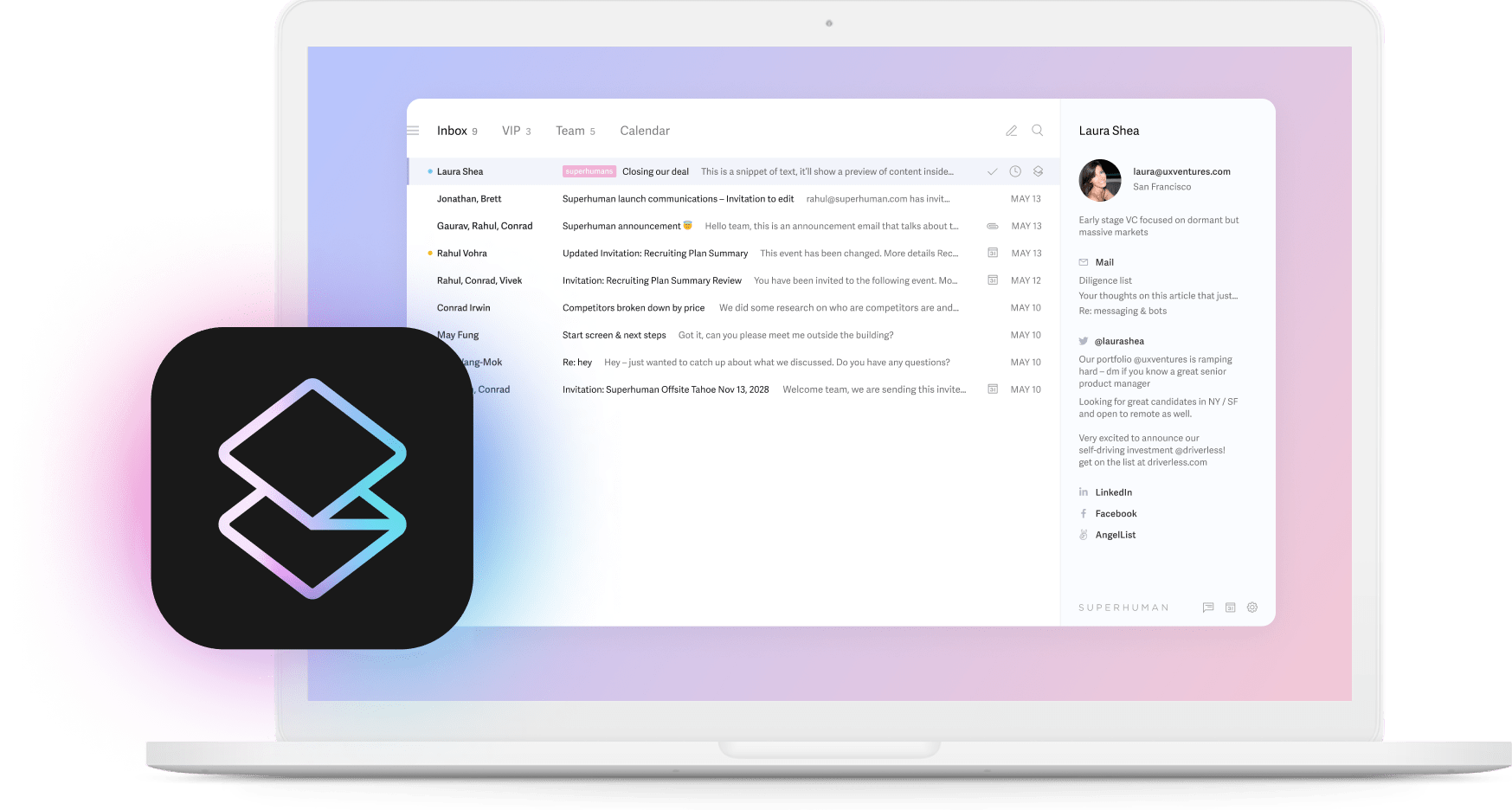
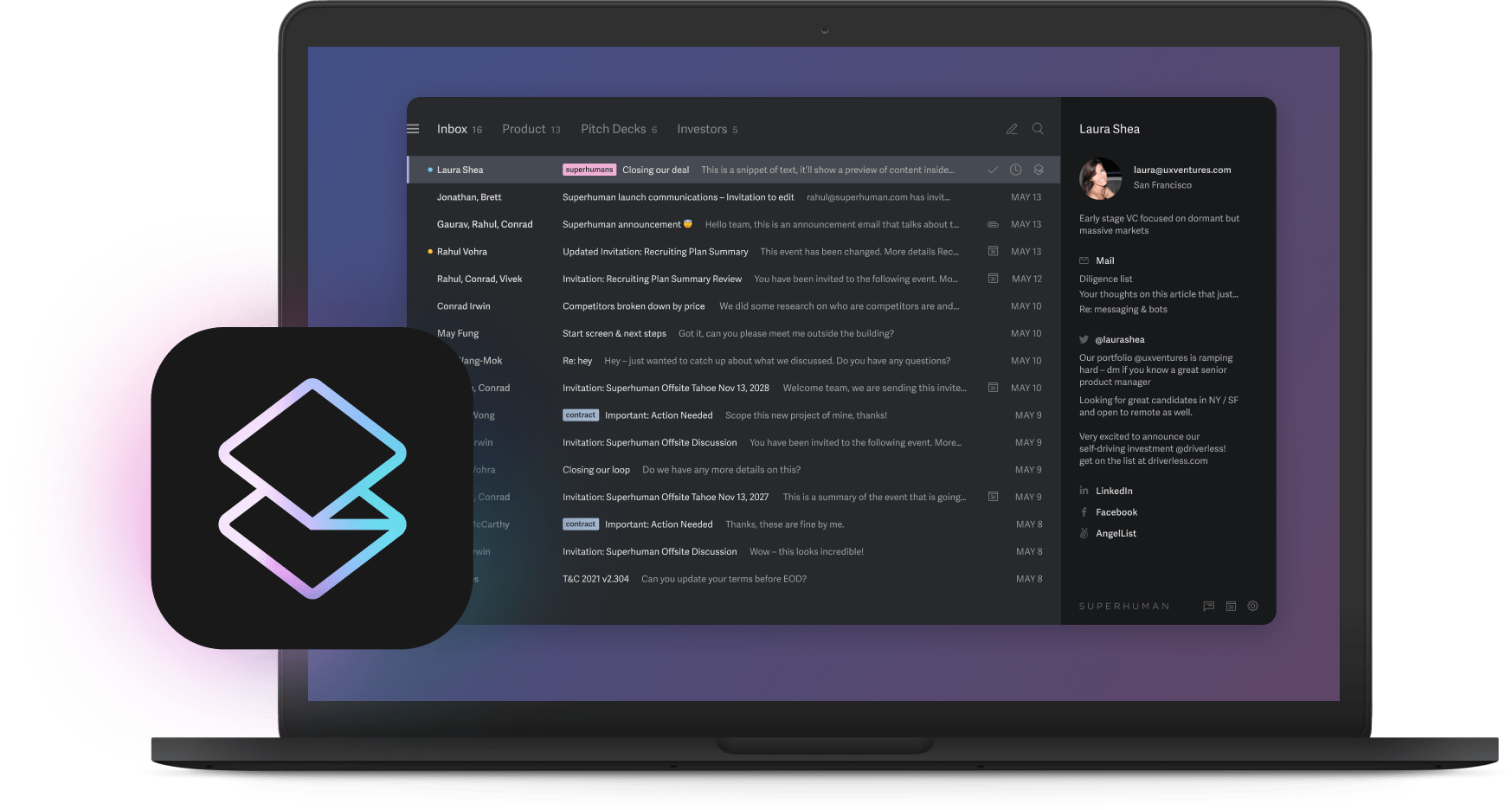
Superhuman Mail offers Read Statuses, an opt-in tracking feature that delivers timing precision while respecting privacy. Superhuman Mail’s Read Statuses are disabled by default, setting a new standard for ethical email tracking.
How it works:
- Disabled by default for all new customers
- Activate by pressing Cmd+K (Ctrl+K on Windows), typing "read statuses," and pressing return
- No IP addresses, location data, or device metadata collected, just whether and when emails were opened
What you get:
- Real-time notifications when recipients open your emails
- Recent Opens Feed showing engagement across all sent messages
- Per-recipient tracking for group emails, so you know exactly who has and hasn't engaged
- Follow-up timing data to inform your outreach strategy
Superhuman Mail combines Read Statuses with Split Inbox to automatically separate engaged prospects from cold leads, Snippets for quick follow-up messages, and Superhuman AI for drafting responses. Teams using Superhuman Mail save 4 hours per person weekly and respond 12 hours faster.
Get started with Superhuman Mail today.
FAQs
Can I tell if an email has been read?
Sometimes, but not reliably. MDN read receipts in Outlook and Gmail only work if the recipient approves them, and most people decline. Tracking pixels can detect opens silently, but image-blocking settings and privacy tools like Apple Mail Privacy Protection prevent many opens from being detected. There's no guaranteed way to confirm someone read your email.
Do people know if you put a read receipt on an email?
It depends on the method. With MDN read receipts in Outlook and Gmail, yes. Recipients see a prompt asking whether to send confirmation, and they can decline with one click. Tracking pixels don't notify recipients directly, but privacy-conscious email clients like Apple Mail block them automatically. Either way, recipients who care about privacy likely won't send you confirmation.
Can you turn read receipts on for email?
Depends on your platform. In Outlook, check "Request a Read Receipt" in the Options tab when composing. Gmail requires a paid Workspace account with admin enablement, so the feature is unavailable for free Gmail accounts. Apple Mail has no native read receipt support. Third-party email tracking tools exist but come with privacy trade-offs for both sender and recipient.
Why do people request read receipts on emails?
Common reasons include timing sales follow-ups, tracking customer renewal engagement, and documenting legal or HR communications where proof of delivery matters. However, routine use is considered unprofessional in most workplaces because it signals distrust and can damage relationships. Reserve read receipts for high-stakes situations where timing or documentation genuinely matters.
Is it rude to use email read receipts?
In most professional contexts, yes. Routine read receipt requests signal distrust and can feel like micromanagement to colleagues and clients. MDN read receipts are particularly problematic because they prompt recipients before they've even read your message, creating friction at the worst possible moment. Reserve read receipts for exceptional circumstances like legal documentation, compliance matters, or high-stakes business communications where timing genuinely impacts outcomes. For everyday emails, clear deadlines and direct follow-up calls work better without damaging relationships.
What happens if read receipts are turned off?
When read receipts are disabled, you simply won't receive a notification when someone opens your email. For MDN receipts in Outlook and Gmail, the recipient won't see a prompt asking to confirm they opened your message. For tracking pixels, the image won't load or report back to you. Many recipients block read receipts by default. Apple Mail Privacy Protection affects nearly half of all email opens, and most enterprise email systems block external images automatically. Your email still delivers normally; you just won't have visibility into whether or when it was opened. This is why metrics like reply rates and click-through rates are more reliable indicators of engagement than open tracking.